







Search Results for: Alps Plot
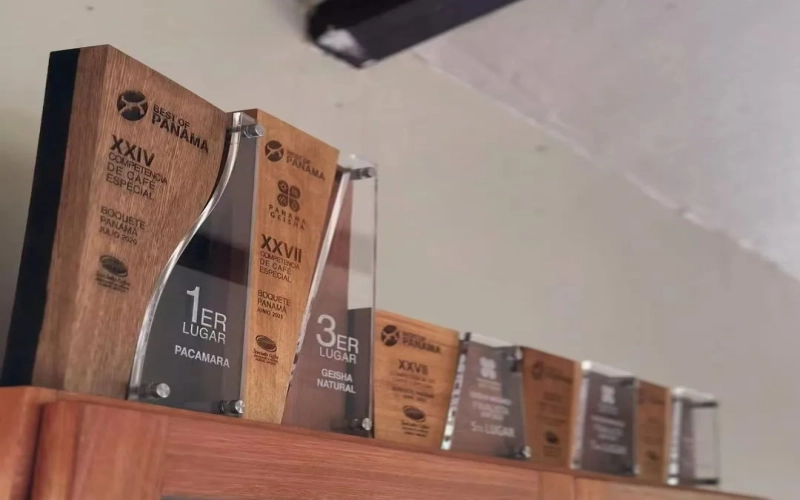
A Complete Guide to Panama Hacienda La Esmeralda Geisha: From Family Legacy to the Sun-Dried Flavors of the Alpine Plot
On the map of Panamanian specialty coffee, Hacienda Jason is a name that cannot be overlooked. Since making its debut at the Best of Panama competition in 2013 and appearing on the list year after year, this three-generation family farm has won the favor of many professional competitors with its refined Geisha flavor profile, frequently appearing on international exhibition stages. Today, Front Street Coffee takes you deep into this famous estate: from the dairy business of Swedish immigrants in 1926, to formally entering the coffee field in 1989; from the microclimates of the two high-altitude plots, the Lagoon and the Alps, to environmental practices such as enzyme-microbial soil care and solar circulating-water processing; and then to the natural-process Geisha lot#364 that Front Street Coffee acquired this year, which in cupping presents grape juice, berries, fermented wine aromas, and elegant floral notes. Whether you want to understand the estate's history or explore the terroir code behind Geisha's flavor, this article will present it all to you one by one. [more…]

Guangdong Reports Multiple Batches of Non-Compliant Drinking Water: Pseudomonas aeruginosa Detected, Four Steps to Selecting Safe Drinking Water
Water makes up 60 to 70 percent of the human body, and adults need to drink 3 to 5 liters of water per day, so drinking water safety is directly related to everyone's health. As consumer demand for packaged drinking water continues to grow, the actual quality of products labeled "purified" or "mineral" on the market has become a focus of public attention. Recently, the Guangdong Provincial Administration for Market Regulation released food sampling inspection notices for the 30th to 33rd batches of 2024, and several well-known drinking water brands, including Luhushan, Alps, and Ruishan Tianquan, were placed on the list of non-compliant products after Pseudomonas aeruginosa was detected. This opportunistic pathogen poses a relatively high health risk to people with weakened immune systems. How did the companies involved respond? What purchasing advice did regulators provide? This article will sort out the details for you. [more…]
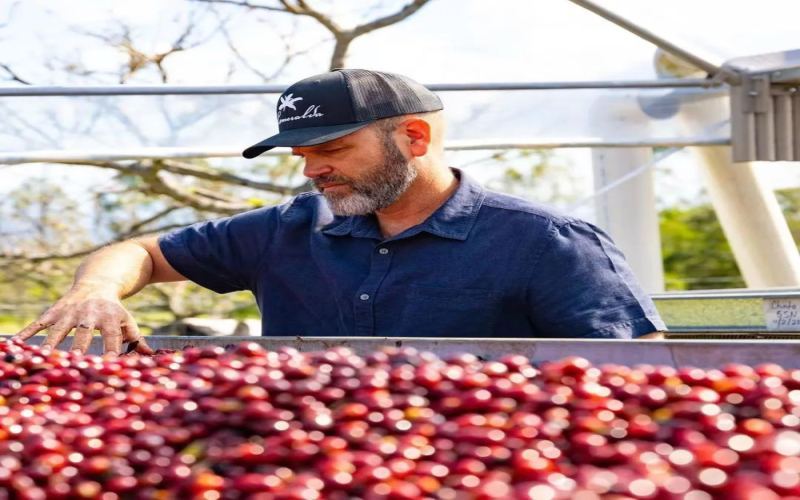
A Complete Guide to Hacienda La Esmeralda Geisha Grades: Red and Green Label Plot Divisions and Geisha Flavor Descriptions
The grading system of Hacienda La Esmeralda's Geisha has always been a focal point in the specialty coffee world. Since the 2022 harvest season, with El Velo farm entering commercial production, the Peterson family has redefined the two major grades, Red Label and Green Label, and the Green Label has also begun to indicate specific harvest plots. This article, from the perspective of Front Street Coffee, systematically reviews the microclimates and cultivation details of Hacienda La Esmeralda's three major plots—Jaramillo, Cañas Verdes, and El Velo—explains in detail the evaluation criteria and flavor profiles of Red Label (Esmeralda Special) and Green Label (Private Collection), and includes the pour-over parameters and brewing steps for Front Street's Esmeralda Red Label Geisha, helping coffee enthusiasts gain a more comprehensive understanding of the terroir expression of this legendary variety. [more…]
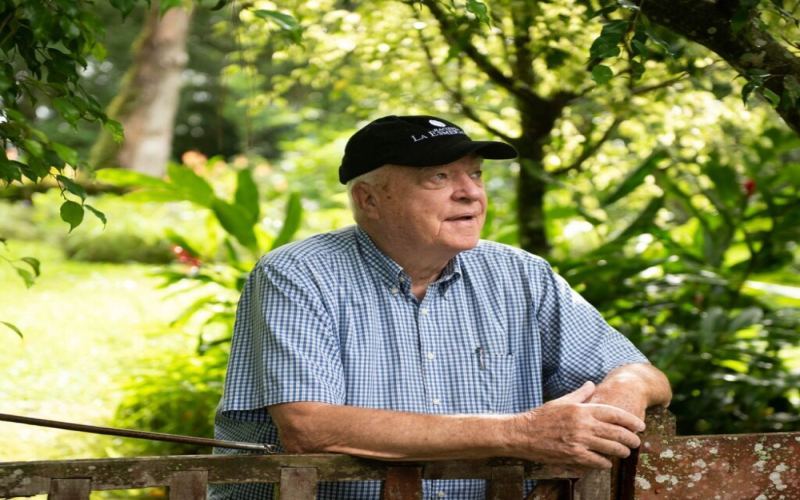
A Guide to Panama's Hacienda La Esmeralda Geisha Grades: A Full Breakdown of Blue, Green, and Red Labels and Plot Differences
Hacienda La Esmeralda in Panama is the starting point of Geisha coffee's journey to the world, and the most representative brand in the Geisha flavor experience. Faced with the Blue Label, Green Label, Red Label, and auction lots, many coffee lovers inevitably get confused: what exactly do these labels represent? And how do they relate to the different farms and plots within the estate? Front Street Coffee will guide you through the estate's farm distribution, plot divisions, and the evolution of its grading system, clarifying the differences between the Blue Label, Green Label, Red Label, and auction lots, and helping you make clearer judgments when purchasing Geisha. [more…]
A Full Guide to Hacienda La Esmeralda's Geisha Plots in Panama: The Red-Tag and Green-Tag Grading System and Brewing Parameters
The Geisha grading system of Panama's Hacienda La Esmeralda has long been a hot topic of discussion in the coffee world. Since the El Velo estate began commercial operations in the 2022 harvest season, the Peterson family has given a new definition to Geisha grades, and Green Label lots have also begun to indicate the source of the harvesting plot. This article, starting from the new perspective of plot division, systematically sorts out the microclimate characteristics and subdivided plots of Hacienda La Esmeralda's three major Geisha growing areas—Jaramillo, Cañas Verdes, and El Velo—explains in detail the evaluation criteria and flavor differences of the two major grades, Red Label (Esmeralda Special) and Green Label (Private Collection), and includes Front Street Coffee's practical pour-over parameters and tasting notes for Red Label Geisha. [more…]

Emerald Estate Red Label Geisha Natural vs. Washed Processing Comparison: Flavor Differences, Plot Characteristics, and Pour-Over Performance
Panama's Hacienda La Esmeralda is a benchmark in the specialty coffee world, and its Red Label Geisha is especially highly sought after. This article compares two Red Label Geishas—Front Street Coffee's Natural Red Label Geisha and Front Street Coffee's Washed Red Label Geisha—from the renowned Canas Verdes and Jaramillo plots respectively. The natural process gives the beans rich fruity aromas and sweetness, while the washed process brings clean, bright fruit acidity and floral notes. The article examines the estate's history, grading system, plot terroir, processing methods, green bean appearance, and cup profile and pour-over flavors one by one, documenting brewing parameters and tasting impressions in detail to help coffee lovers gain a deeper understanding of the stylistic differences of Geisha of the same grade under different processing methods. [more…]
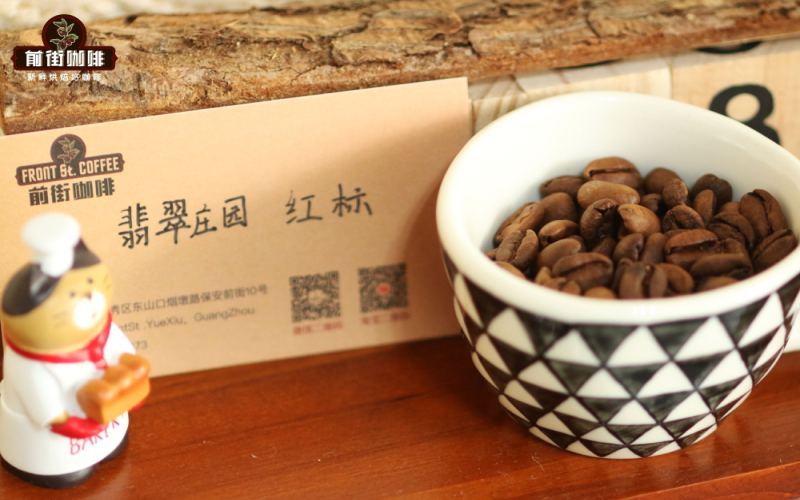
What exactly is Panama Red Label Geisha? A comprehensive interpretation of the origin and flavor of Hacienda La Esmeralda Geisha
Red Label Geisha refers to the top-tier Geisha lots produced by Hacienda La Esmeralda in Panama, enjoying an extremely high reputation in the specialty coffee world, with auction prices repeatedly setting records. Hacienda La Esmeralda classifies its Geisha into three grades—Red Label, Green Label, and Blue Label—based on cupping performance and plot, with Red Label representing the highest quality. At the same time, Gesha Village Coffee Estate in Africa also has a product line called "Red Label," and the two are easily confused. This article will sort out the grading system of Red Label Geisha, the discovery and rise to fame of Hacienda La Esmeralda's Geisha, detailed information about the Jaramillo plot, and the specific parameters and steps for brewing Esmeralda Red Label Natural Geisha at Front Street Coffee's store, taking you through a comprehensive understanding of this legendary coffee. [more…]
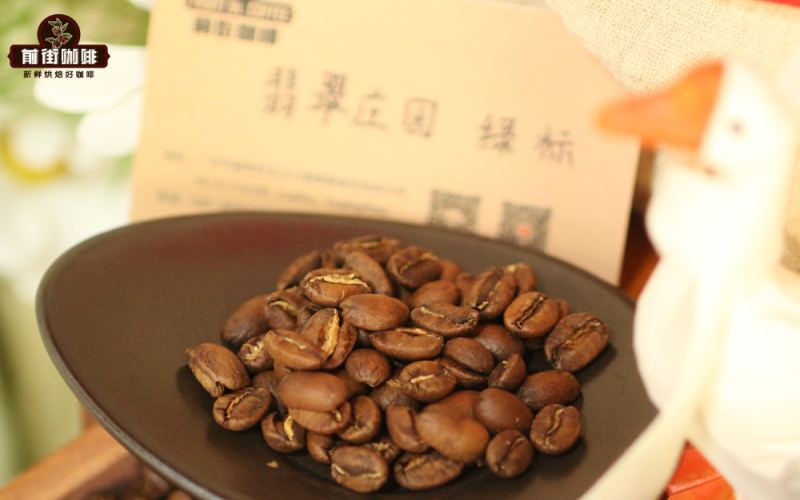
A Full Analysis of the Flavor Differences Between Panama Hacienda La Esmeralda's Red Tag and Green Tag Geisha, the Characteristics of the Geisha Variety, and Plot Classifications
Geisha coffee has captured the hearts of countless coffee lovers with its rich floral aroma and refined fruit acidity, and Panama's Hacienda La Esmeralda has elevated this variety to legendary status. The estate's three grades—Red Label, Green Label, and Blue Label—each have their own merits: Red Label Natural Geisha is full-bodied with notes of rose and berries, while Green Label Washed Geisha stands out for its fresh jasmine aroma and bright acidity. In this article, Front Street Coffee will provide an in-depth analysis of the origins and cultivation requirements of the Geisha variety, outline the microclimate characteristics of Hacienda La Esmeralda's three major plots, explain in detail the grading standards and flavor profiles of Red Label, Green Label, and Volcanic Rock Blue Label, and compare through cupping how natural and washed processing specifically affect Geisha's taste. Finally, we'll include Front Street's roasting and brewing recommendations to help readers fully understand the appeal of Hacienda La Esmeralda Geisha. [more…]

The Complete Guide to the Differences Between Panama Hacienda La Esmeralda Geisha Red Label, Green Label, and Blue Label and Pour-Over Parameters
When Geisha is mentioned, the first name that comes to most people's minds is Hacienda La Esmeralda in Panama. In 2004, Daniel, the third-generation manager of Hacienda La Esmeralda, entered a Geisha bean with a distinctly different flavor profile in the BOP competition, forever changing the landscape of specialty coffee. Hacienda La Esmeralda's Geisha product line is divided into Red Label, Green Label, and the former Blue Label, each differing in plot source, altitude, and quality standards. This article will systematically review the development history of Hacienda La Esmeralda, the detailed plot divisions of its three sub-farms, and the core differences between Red Label and Green Label, while also including the pour-over Geisha parameters recommended by Front Street Coffee, to help coffee enthusiasts gain a comprehensive understanding of this legendary bean variety. [more…]
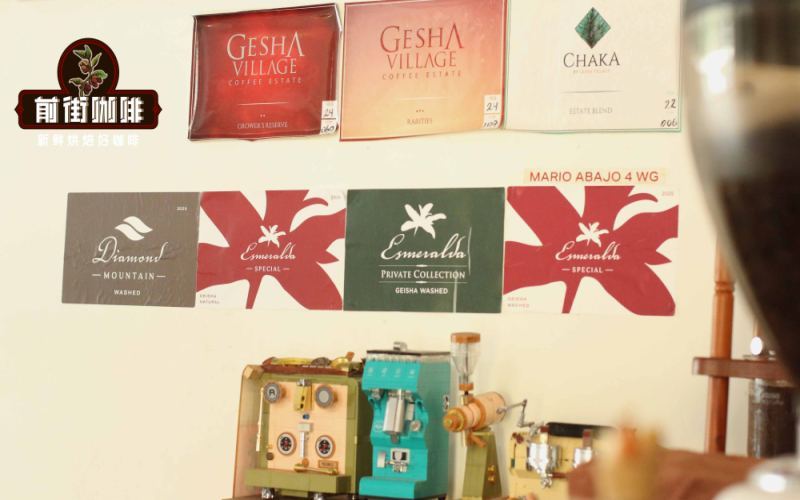
A Detailed Guide to Panama Hacienda La Esmeralda Geisha Grades: Differences and Flavor Comparison of the Three Main Grades—Red, Green, and Blue Labels
Panama's Hacienda La Esmeralda, with its refined Geisha grading system, has become a model emulated by many coffee estates. This article systematically sorts out the core differences among Hacienda La Esmeralda's three Geisha grades—Red Label, Green Label, and Blue Label—covering cultivation altitude, plot information, and blending models, while also providing an in-depth introduction to the estate's history, plot divisions, roasting recommendations, and brewing parameters. Front Street Coffee recently purchased the 2020 new-crop Blue Label Geisha, and by combining the cupping performance of the Red Label and Green Label, we guide you through a comprehensive understanding of the unique flavors and purchasing points of these three grades. [more…]
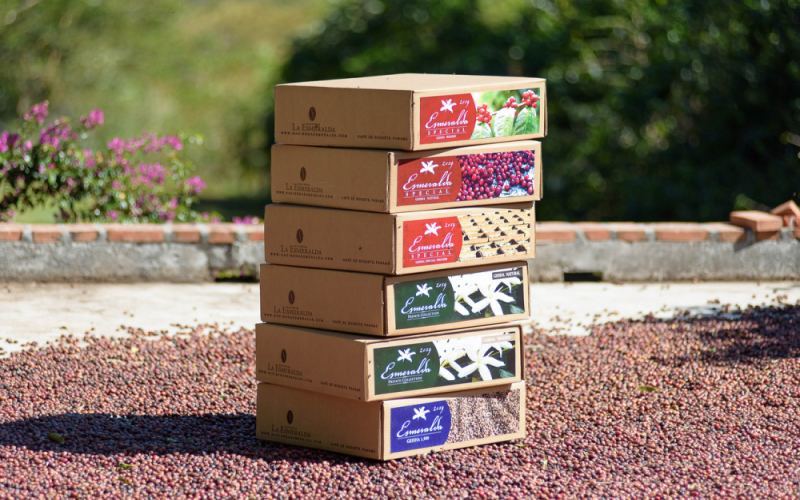
The Geisha Journey of Panama's Hacienda La Esmeralda: From Windbreak to the Detailed Grading of Red, Green, and Blue Labels
Hacienda La Esmeralda in Panama is the legendary birthplace of Geisha coffee, but its starting point was not Geisha. From the Peterson family's purchase of the estate in 1964, to the division of brands in 1973, and then to Geisha's spectacular debut in 2004, Hacienda La Esmeralda walked a path of discovery and grading. This article will outline the plot distribution of Hacienda La Esmeralda and the discovery journey of Geisha, and provide a detailed interpretation of the definitions, production areas, altitudes, and flavor differences of the three grades—Red Label, Green Label, and Blue Label—while also introducing the corresponding product information from Front Street Coffee, taking you through a comprehensive understanding of Hacienda La Esmeralda's Geisha grading system. [more…]
A Complete Guide to Hacienda La Esmeralda Geisha Grades: Distinguishing Red, Green, and Blue Labels and Their Flavor Profiles
Geisha coffee is the crown jewel of today's specialty coffee world, and the Geisha produced by Panama's Hacienda La Esmeralda is regarded as the industry benchmark. In 2004, Hacienda La Esmeralda took first place in the BOP competition with a light-roasted Geisha, forever changing the fate of Panamanian coffee. This article systematically reviews Hacienda La Esmeralda's Geisha product grading system, explaining in detail the differences in definition, plot origin, and flavor expression among the Red Label, Green Label, and the discontinued Blue Label. It also introduces Hacienda La Esmeralda's three sub-estates and their small plot divisions, and includes Front Street Coffee's brewing suggestions and product information, helping coffee enthusiasts gain a comprehensive understanding of this legendary variety. [more…]
A Complete Guide to Panamanian Coffee Flavors: Geisha Pour-Over Parameters and a Comparison Guide to Front Street's Geisha Beans from Various Estates
Panama coffee is world-famous for the Geisha variety, and its elegant floral and fruity aromas with citrus notes are highly sought after. This article systematically reviews the regional characteristics of Panamanian coffee—from Boquete and Volcán to Renacimiento—and explains in detail the grade classifications and plot differences of Hacienda La Esmeralda's Red Label, Green Label, and Blue Label Geisha; it also introduces the flavor profiles of Front Street selected Panamanian coffee beans such as Butterfly, Elida, and Hartmann, and includes the complete parameters for Front Street Geisha pour-over and the three-stage extraction steps, taking you from origin to cup for a comprehensive understanding of the charm of Panamanian Geisha. [more…]
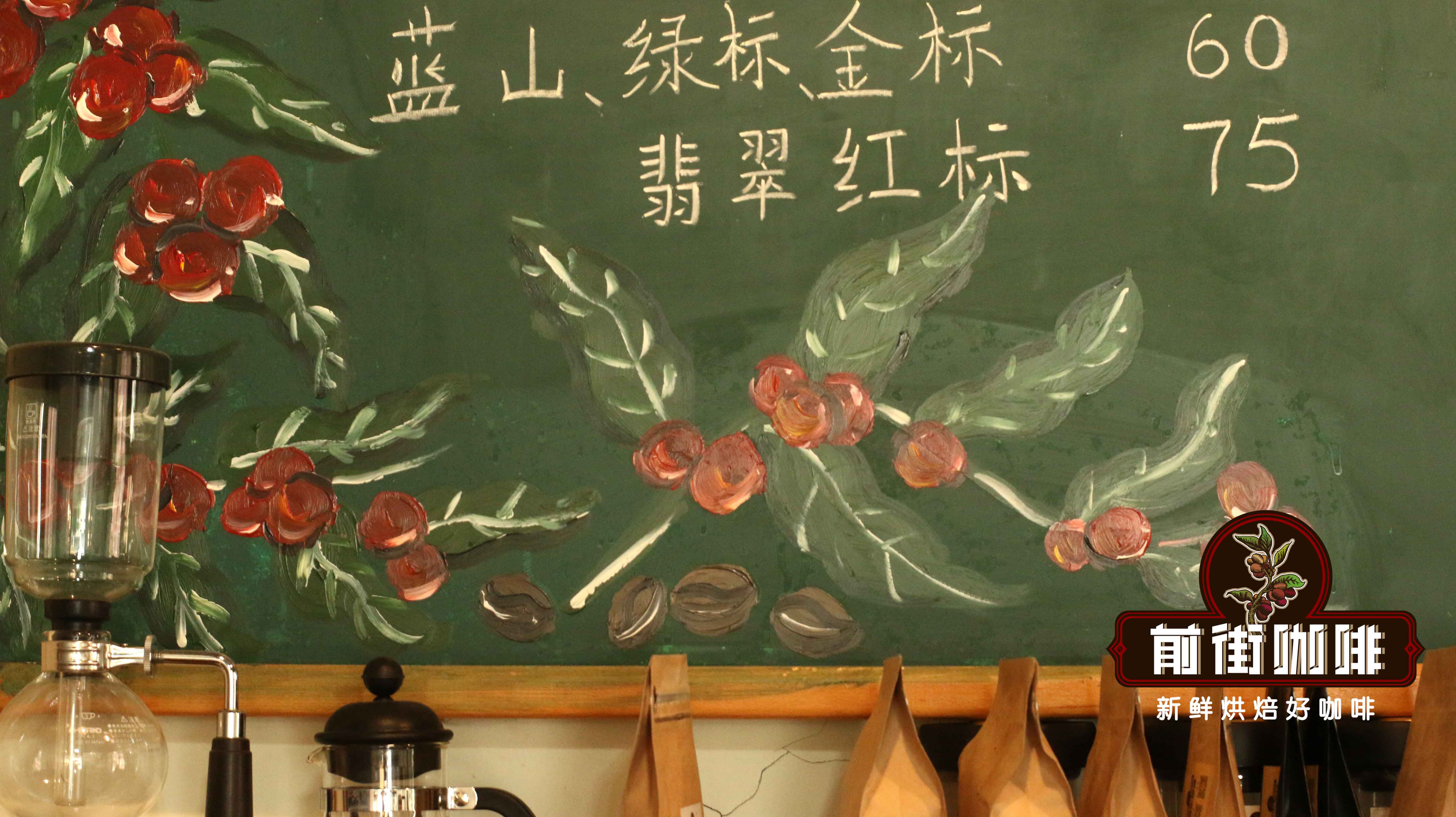
Ethiopian Gesha Village Coffee Flavor Analysis: From Variety Traceability to Cupping Performance
When people talk about Geisha, most think of Panama, but rarely mention its birthplace—Ethiopia. This article begins with the history of Geisha's spread, tracing how this variety journeyed from African forests to the world stage, and focuses on Gesha Village Coffee Estate in the Bench Maji region. It covers the estate's founding background, the microclimates and flavor differences of its eight farms, the genetic characteristics of three Geisha varieties, and the estate's strict internal grading system. Brewing parameters from Front Street Coffee are also included, offering a complete reference for coffee enthusiasts who want to deepen their understanding of Ethiopian Geisha. [more…]
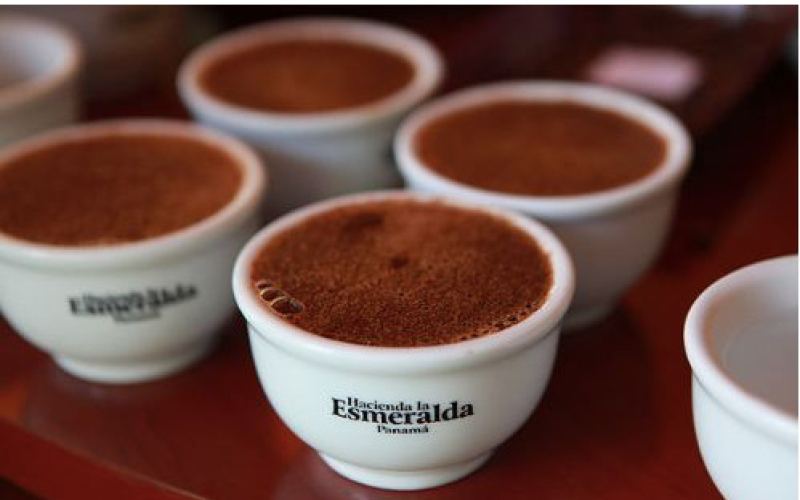
The Panama Geisha Coffee Legend and Pour-Over Guide: Hacienda La Esmeralda Grading, Boquete Volcán Region Flavor Comparison, and Front Street Coffee Bean List
Panama Geisha coffee rose to fame after Hacienda La Esmeralda won the Best of Panama (BOP) competition in 2004, and its intense floral and fruity aromas and highly sweet, layered profile have become the benchmark for specialty coffee. For this reason, Front Street Coffee has listed a number of Panamanian Geisha coffee beans, each of which has undergone producing-region research, roasting adjustments, and cupping evaluation, preserving the signature Geisha flavors while also showing individual character. This article will guide you through the origins of Panamanian coffee, the characteristics of core producing regions such as Boquete and Volcan, and in-depth details on famous estates including Hacienda La Esmeralda's Red Label, Green Label, and Blue Label, as well as Elida and Hartmann, along with flavor descriptions for Front Street Coffee's corresponding bean lineup, providing coffee lovers with a complete reference for tasting and purchasing Panamanian Geisha. [more…]
Ethiopian Gesha Village Coffee Flavor Analysis: A Complete Overview of Variety Origins, Production Areas and Plots, and the Grading System
When people talk about Geisha, most think first of Panama. However, the roots of this legendary variety lie in Ethiopia. Front Street Coffee takes you through the history of Geisha's spread, from the discovery of the Geisha forest in 1931 to the establishment of the Gesha Village Estate in the Bench Maji region. This article will provide a detailed analysis of the three coffee varieties at Gesha Village—Gori Gesha, Gesha 1931, and Illubabor Forest 1974—and introduce the terroir characteristics and coffee flavors of the estate's eight farms one by one. In addition, Gesha Village's strict grading system of Auction, Gold, Red, Green, and Chaka lots will also be presented, helping coffee enthusiasts gain a comprehensive understanding of the unique charm of Ethiopian Geisha. [more…]
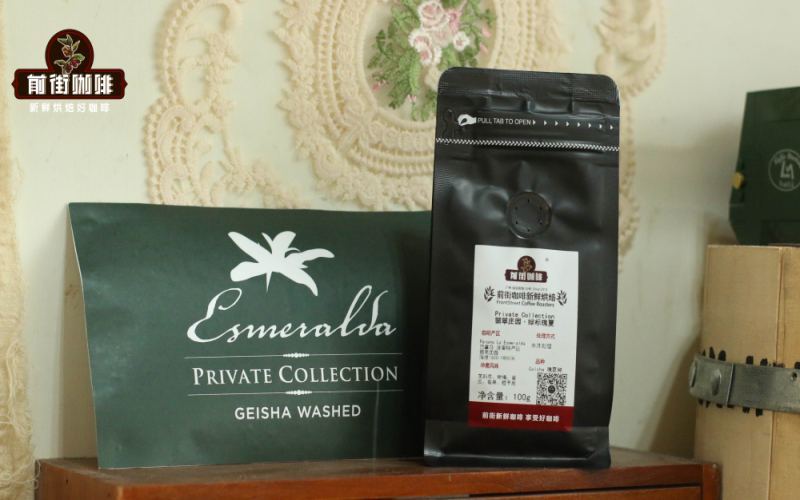
A Complete Guide to Panama Geisha Coffee Origins: Boquete Region, Hacienda La Esmeralda Plot Classifications, and Red/Green Label Brewing Guide
Panama is one of the most dazzling origins on the global specialty coffee map, and Geisha is the legendary variety that propelled this small Central American nation onto the world stage. From the Boquete and Volcán growing regions around the Chiriquí volcano to Hacienda La Esmeralda's meticulously divided Jaramillo, Cañas Verdes, and El Velo plots, altitude, microclimate, and processing methods together shape Geisha's signature floral and citrus notes. This article systematically reviews the cultivation geography of Panamanian Geisha, traces the historical development of its representative estates, analyzes the grading differences between Red Label and Green Label, and includes Front Street Coffee's V60 staged brewing parameters and flavor descriptions, offering coffee enthusiasts a complete reference on origin and tasting. [more…]

A Complete Guide to Panama Hacienda La Esmeralda Geisha Auctions: Red, Green, and Blue Label Tiers, Plot Divisions, and Historical Auction Prices
The results of the Best of Panama green bean competition have been announced. Hacienda La Esmeralda took first place in the Geisha natural group, the washed group, and the multi-variety group, becoming this year's grand slam winner. The winning lots will go to global auction on August 7 at 7:00 Beijing time. This article will guide you through the history of this legendary Panamanian estate, the plot divisions of its three farms, the grading logic and flavor differences of the red, green, and blue labels, and the complete processes of washed and natural processing methods. At the same time, Front Street Coffee will also share brewing parameters and flavor descriptions for three Hacienda La Esmeralda Geishas, helping coffee lovers gain a comprehensive understanding of this top-tier Geisha brand. [more…]
A Complete Guide to Panamanian Specialty Coffee: Geisha Variety, Processing Methods, Estate Grading, and Pour-Over Parameters
Panama is a leading specialty coffee producer in Central America, renowned worldwide for Hacienda La Esmeralda's Geisha. From the perspective of Front Street Coffee, this article systematically reviews Panama's coffee-growing regions, the history and plot divisions of Hacienda La Esmeralda, and the brand grading logic behind Red Label and Green Label Geisha. It also provides a detailed introduction to Geisha coffee's flavor characteristics and processing methods, along with Front Street Coffee's recommended brewing parameters and three-stage extraction technique, helping coffee lovers gain a comprehensive understanding of the appeal of Panamanian specialty coffee. [more…]
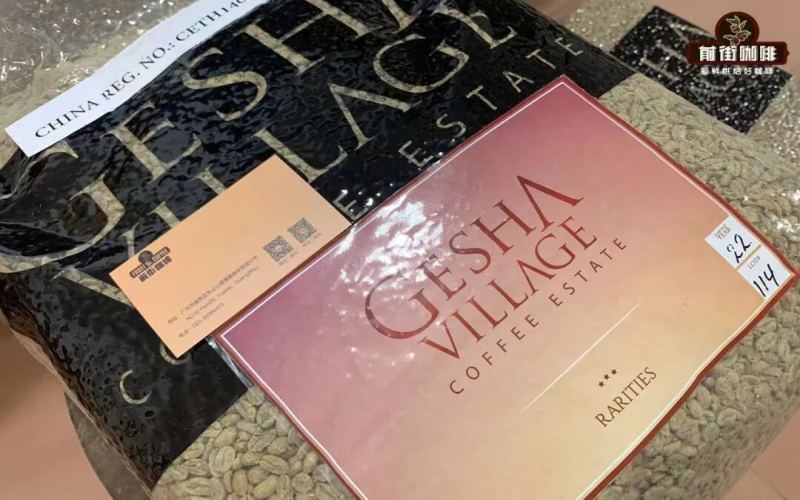
Ethiopian Geisha Coffee | What is the origin of Gesha Village? How does Gesha Village grade Geisha coffee? What are the characteristics of different grades of Geisha?
In the past, when some friends who wanted to taste Geisha coffee came to Front Street Coffee and ordered Geisha, the baristas at Front Street would carefully ask, "Do you mean Ethiopian Geisha or Panamanian Geisha?" Everyone would be confused about the difference between these two Geishas. Nowadays, the name of Panamanian Geisha [more…]